The Simple Power of an Undated Daily Planner Template
There's a unique kind of pressure that comes with a dated planner. You miss a day, and suddenly there's a blank page staring back at you, a tiny monument to a task left undone. It’s a small thing, but it can derail your entire planning system. This is where the quiet genius of an undated daily planner template shines. It offers structure without the guilt, a framework for your day that waits patiently for you, not the other way around. It’s a tool designed for the reality of busy, unpredictable lives.
A Foundation for Focus, Not a Restriction
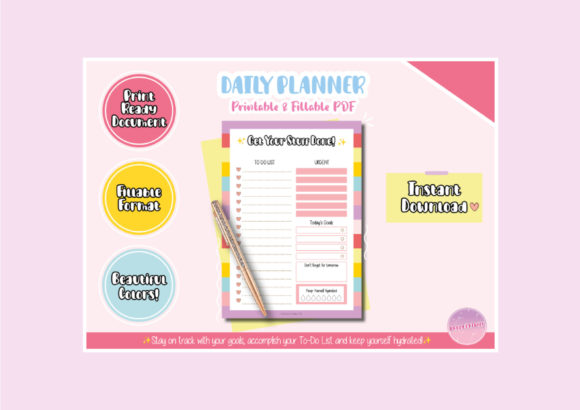
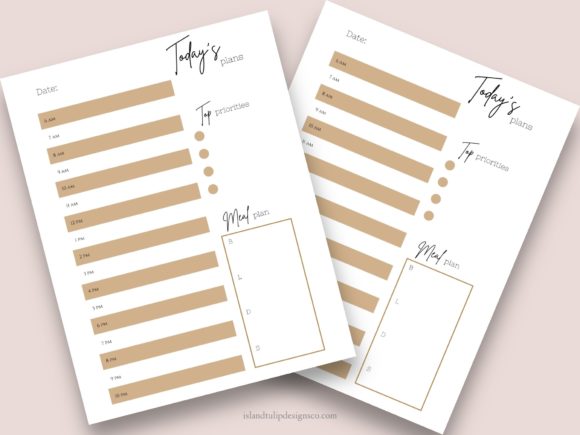
At its core, this minimalist planner template is built on the principle of clarity. The visual design is intentionally clean, stripping away non-essential ornamentation to let your priorities take center stage. You won't find distracting graphics or overly complex layouts. Instead, you get a well-organized space—a clear area for your top priorities, a schedule, to-do lists, and notes. This simplicity is its greatest strength. It acts as a neutral canvas, allowing your own thoughts and plans to be the primary focus. The overall appeal is one of calm competence; it feels professional yet approachable, like a trusted assistant who knows exactly what you need without being asked.
The true value of this design asset lies in its adaptability. Because it’s an undated system, you control the timeline. Need to dedicate three days to a single project? Use three pages. Taking a week off? You don’t waste seven sheets of paper. This flexibility makes it an ideal companion for entrepreneurs, freelancers, and anyone whose schedule isn’t a neat 9-to-5, Monday-to-Friday affair. It respects your time and your unique rhythm.
From Personal Organizer to Professional Branding Tool
While this undated daily planner template is perfect for personal use, its potential extends far into the professional realm. For small business owners, marketers, and content creators, it can become a cornerstone of their brand's design assets. Imagine a wellness coach offering a branded planner to their clients, or a productivity blogger creating a printable resource for their audience. The template's minimalist foundation makes it incredibly easy to customize. Simply adjust the color palette to match your brand identity, add your logo, and you have a cohesive, high-value product.
This is where a premium font choice can elevate the entire project. The template’s clean lines pair beautifully with a wide range of typefaces. A sharp, modern sans serif font can reinforce a tech-forward or efficient brand personality. Alternatively, a classic serif font could lend an air of timeless authority, suitable for a financial advisor or a legal professional. For a more personal, creative touch, a subtle script font or handwritten font for headings could be used sparingly to inject warmth and personality. This is the essence of good modern typography—using type not just to convey information, but to shape perception.
Practical Applications Across Industries
The utility of a well-designed daily planner is universal. Its influence on organization and productivity is obvious, but its role in broader business and creative contexts is often underestimated.
- For Entrepreneurs and Small Business Owners: Use the template internally to manage daily operations, track goals, and plan content. Externally, it can be a powerful lead magnet—a valuable freebie that builds your email list and demonstrates your expertise. It’s a practical tool that provides tangible value to your audience.
- For Designers and Creatives: The template serves as a functional piece of editorial design. You can use it as a starting point for client projects, adapting it for packaging design inserts, client onboarding materials, or even internal project management. It’s a versatile component in your design assets library.
- For Marketers and Bloggers: A branded planner is an exceptional piece of content marketing. It’s a physical (or digital) representation of your brand that lives in your audience's daily routine. This kind of consistent, helpful interaction builds brand recognition and loyalty far more effectively than a single social media post. It’s a key part of a holistic brand identity strategy.
Evaluating and Implementing the Template
When you first open the template, take a moment to look beyond the surface. Consider the visual hierarchy. How does the layout guide your eye? The clear distinction between sections for scheduling and task management is a deliberate design choice that enhances readability and reduces cognitive load. This thoughtful organization is what separates a functional planner from a chaotic one.
To make it your own, think about your font pairing. If you choose a bold, display font for the main title, balance it with a highly legible body font for the smaller text. The goal is to create a harmonious and functional system, not a competition between typefaces. Always test your chosen fonts at the actual print size to ensure they remain clear and easy to read. A beautiful creative font is useless if it causes eye strain.
Finally, consider the commercial aspect. If you plan to sell a customized version of the planner, ensure you understand the licensing of any fonts or design elements you add. The provided template is your foundation; your unique combination of branding, typography, and layout is what creates a final product that is both professional and legally sound. This simple, undated page is more than just a schedule; it's a starting point for better organization, a stronger brand, and a more intentional way of working and living.