Beautiful Islamic Motif: Elevate Your Embroidery with Zakhrapha
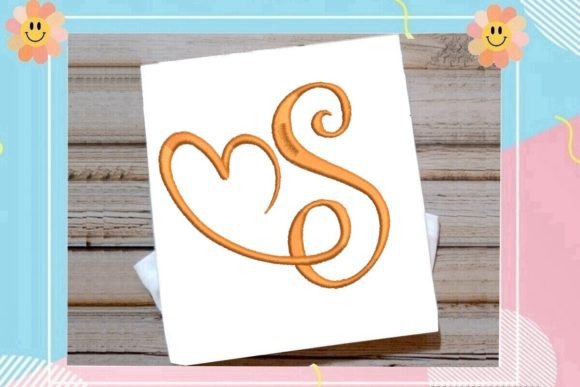
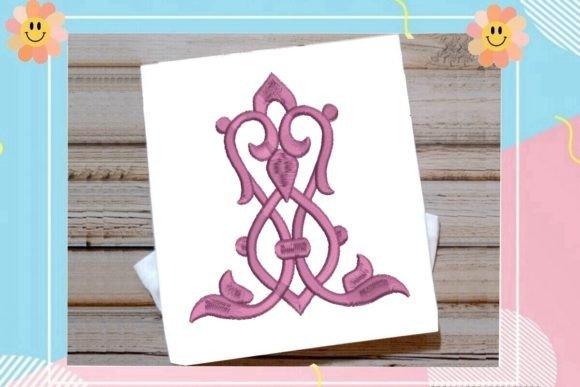
When you first lay eyes on the Beautiful Islamic Motif embroidery design, you are immediately struck by its intricate geometry and flowing elegance. It’s more than just a pattern for a needle; it is a piece of cultural artistry translated into a modern, digital format. For designers, crafters, and entrepreneurs, this high-quality machine embroidery design offers a bridge between traditional Eastern aesthetics and contemporary textile projects. The design specifically features the stunning complexity of Zakhrapha, a style known for its elaborate surface ornamentation and mathematical precision, capturing a sense of refinement that elevates any fabric it touches.
The Visual Character and Style of Zakhrapha
Understanding the visual personality of a design asset is crucial before you commit it to fabric. The Beautiful Islamic Motif is not a rough sketch; it is a polished, professional-grade pattern. The Zakhrapha style is characterized by its dense, interwoven lines and rhythmic repetition. It creates a hypnotic effect that draws the eye without overwhelming the viewer. Unlike a heavy display font that demands attention through sheer size, this motif commands respect through its delicate complexity. The lines are crisp, ensuring that even at smaller scales, the integrity of the pattern holds up. This makes it a versatile asset, functioning much like a premium font in your toolkit—it signals quality and attention to detail immediately.
The overall appeal lies in its authenticity. In a market saturated with generic "tribal" or "boho" patterns, the Zakhrapha design stands out as genuine. It offers an air of exoticism that feels respectful of its origins. For a creative professional, this means you are working with a design that has depth. It doesn't just look good; it feels significant. The symmetry inherent in Islamic geometric art provides a sense of balance and harmony, which translates beautifully to textiles, bringing a calming yet sophisticated energy to your finished products.
Practical Applications: From Branding to Home Decor
One of the most valuable aspects of the Beautiful Islamic Motif is its adaptability across different creative industries. Just as a designer selects a specific typeface for a project, choosing the right embroidery pattern depends on the medium and the message.
Apparel and Fashion Accessories: This design is perfect for embellishing clothing. Imagine a crisp linen cuff or the yoke of a traditional tunic featuring this pattern. It adds instant value to the garment, transforming a mass-produced item into a boutique-quality piece. For small business owners in the fashion space, using this motif can define a signature brand identity. It tells your customers that you value heritage and craftsmanship. It works exceptionally well on structured fabrics like denim or canvas, where the stitch count can be high without distorting the material.
Home Decor and Interior Styling: In the realm of interior design, texture is everything. This embroidery pattern is ideal for cushion covers, table runners, or curtain hems. It introduces a layer of tactile luxury that printed fabrics often lack. For those involved in packaging design or editorial design for lifestyle brands, photographing products against a backdrop featuring this embroidery can add warmth and context to your social media graphics and lookbooks.
Digital and Print Collateral: While this is a machine embroidery file, its visual complexity makes it a fantastic source of inspiration for digital assets. You can stitch a sample, photograph it in high resolution, and use that texture in your web design headers or logo design mockups. It brings an organic, human element to digital spaces that are often dominated by flat vectors and sterile sans serif fonts.
Integrating the Motif into Your Creative Workflow
Working with high-quality design assets requires a strategic approach. To get the most out of the Beautiful Islamic Motif, you need to consider how it interacts with other elements in your project.
Design Pairing and Hierarchy
In typography, we talk about font pairing—finding two typefaces that complement each other without competing. The same logic applies here. Because the Zakhrapha pattern is intricate and "busy," it pairs best with solid, textured fabrics and minimalist aesthetics. If you are creating a garment, pair it with a plain weave. If you are using it in a digital mockup, pair it with a clean modern typography style, perhaps a geometric sans serif font or a simple serif font. The motif acts as the focal point; the surrounding elements should act as the support structure.
Technical Considerations and Testing
Before running a full production line, always test your materials. The design description notes that it comes with multiple file formats, ensuring compatibility with various embroidery machines. However, the interaction between needle and thread is physical, not just digital.
- Fabric Weight: Lightweight silks may pucker under the density of a Zakhrapha fill stitch. Use a stabilizer or choose heavier substrates like wool felt, heavy cotton, or leather.
- Thread Choice: While metallic threads can look stunning on Islamic geometry, they can be finicky. A high-sheen rayon or polyester thread often provides the best balance of shine and durability for complex patterns.
- Scale: Evaluate the scale of the motif relative to your item. A design that looks balanced on a tote bag might look overwhelming on a pocket. Resize the file (if the digitizing allows) and test a sample stitch-out on scrap fabric.
Commercial Use and Consistency
For entrepreneurs and small business owners, consistency is key to building trust. Using the Beautiful Islamic Motif across a product line creates a cohesive collection. Whether it’s a recurring border on your packaging or a chest emblem on your apparel, repetition builds recognition. Ensure that you have the appropriate commercial licensing for the volume of products you intend to sell. This protects your business and ensures that the designer’s work is respected, allowing for the continued creation of such creative fonts and patterns.
Ultimately, this machine embroidery design is a powerful tool for anyone looking to infuse their work with beauty and history. It requires a thoughtful hand—balancing its ornate nature with simpler surroundings—but when executed well, the result is a project that feels truly special. It brings a level of professionalism and aesthetic depth that standard stock graphics simply cannot match.